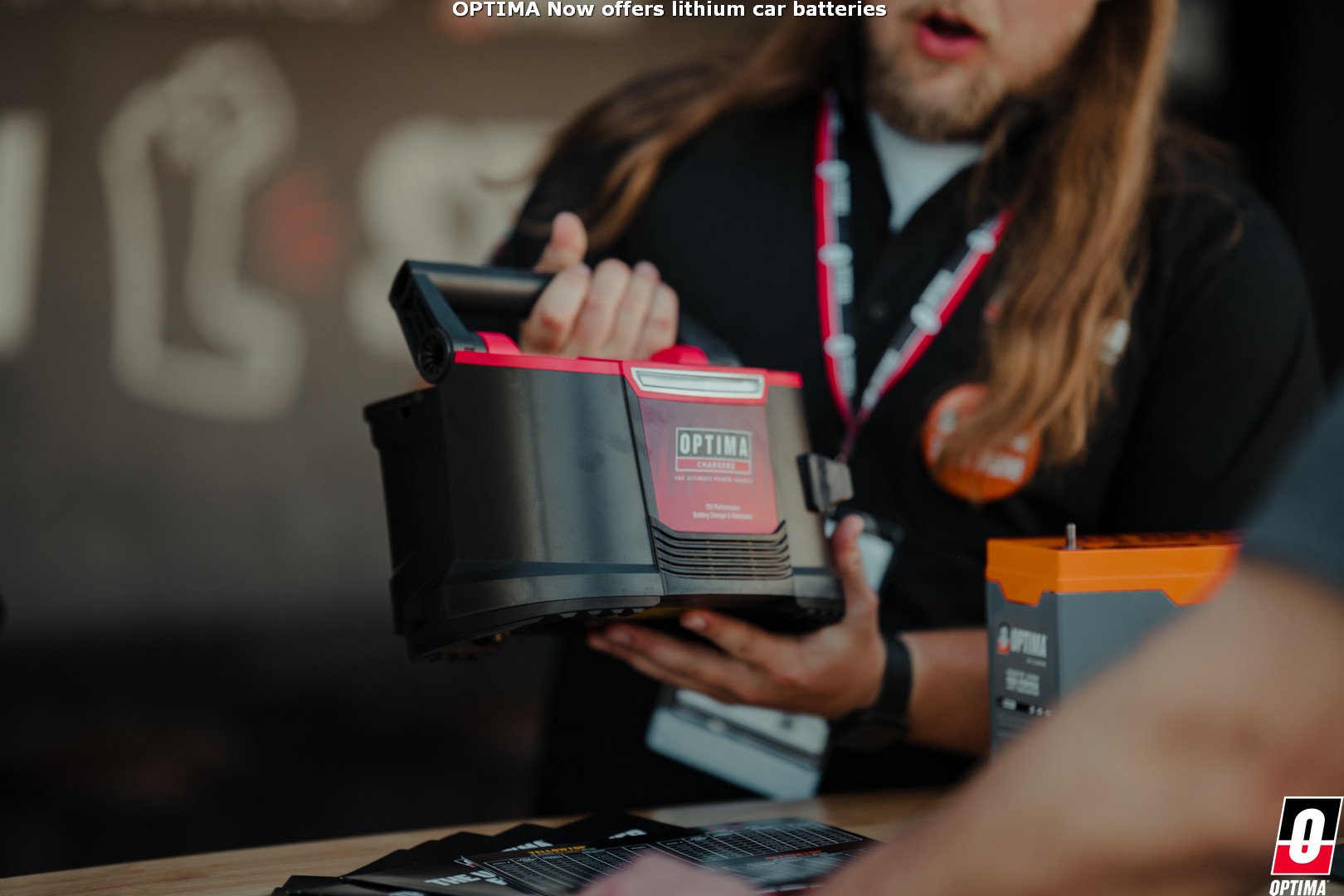
AGM Battery Charger
We often hear people tell us they believe OPTIMA AGM batteries (including our REDTOPs, YELLOWTOPs and BLUETOPs) need special chargers. While AGM battery chargers will work the best, most battery chargers will work just fine on OPTIMA batteries. We recommend avoiding "gel" or confusing "gel/AGM" battery charger settings, as they may not fully charge non-gel batteries and could damage them over time, but most regular or even deep-cycle charger settings will work just fine on OPTIMA AGM batteries.
What makes an AGM battery charger different or better for AGM batteries? AGM batteries tend to have a lower internal resistance, so they can accept current faster than a flooded lead-acid battery. That may mean during the absorption stage of charging, an AGM battery may accept higher voltage than a flooded lead-acid battery. The voltage during the float state may also be slightly higher for AGM batteries and some AGM batteries, like YELLOWTOPs, are fully charged at about 13.0-13.2 volts, versus many flooded batteries that are fully charged at about 12.6-12.8 volts.
There are as many different battery chargers as there are batteries, so it's possible that using a non-AGM charger may not fully charge an AGM battery, but whenever any lead-acid battery (flooded or AGM) is discharged below 12.4 volts and is left sitting in that state, sulfation forms in the plates, which diminishes battery capacity and lifespan. If you ask us what's the better choice between not charging a battery at all and letting it sulfate or using a charger that may not fully charge it, we'll tell you some charge is better than no charge at all.
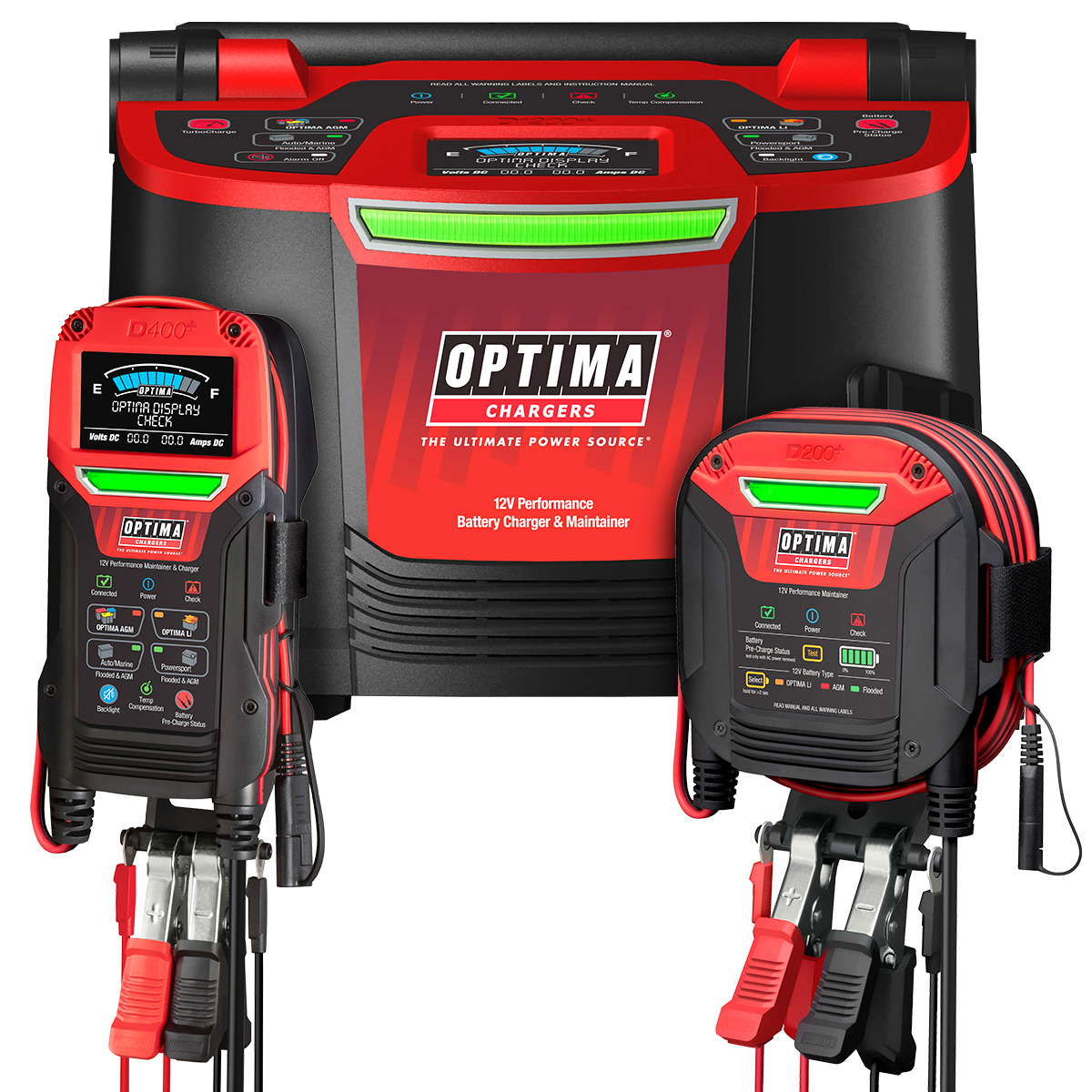
Some flooded lead-acid battery chargers may have an equalization stage, which can help flooded lead-acid batteries, but may be harmful to AGM batteries. AGM battery chargers and especially those with microprocessors may have temperature compensation, which will also benefit AGM batteries. If you have an OPTIMA battery and you are unsure of what kind of charger to get, we do offer a full line of 12V battery chargers and maintainers that work great on flooded, AGM and lithium 12-volt batteries.
What makes an AGM battery charger different or better for AGM batteries? AGM batteries tend to have a lower internal resistance, so they can accept current faster than a flooded lead-acid battery. That may mean during the absorption stage of charging, an AGM battery may accept higher voltage than a flooded lead-acid battery. The voltage during the float state may also be slightly higher for AGM batteries and some AGM batteries, like YELLOWTOPs, are fully charged at about 13.0-13.2 volts, versus many flooded batteries that are fully charged at about 12.6-12.8 volts.
There are as many different battery chargers as there are batteries, so it's possible that using a non-AGM charger may not fully charge an AGM battery, but whenever any lead-acid battery (flooded or AGM) is discharged below 12.4 volts and is left sitting in that state, sulfation forms in the plates, which diminishes battery capacity and lifespan. If you ask us what's the better choice between not charging a battery at all and letting it sulfate or using a charger that may not fully charge it, we'll tell you some charge is better than no charge at all.
Some flooded lead-acid battery chargers may have an equalization stage, which can help flooded lead-acid batteries, but may be harmful to AGM batteries. AGM battery chargers and especially those with microprocessors may have temperature compensation, which will also benefit AGM batteries. If you have an OPTIMA battery and you are unsure of what kind of charger to get, we do offer a full line of 12V battery chargers and maintainers that work great on flooded, AGM and lithium 12-volt batteries.