

What Years are the Generations of Mustangs?
Cars
- Sponsor
- OPTIMA Batteries
- Location
- Glendale, WI


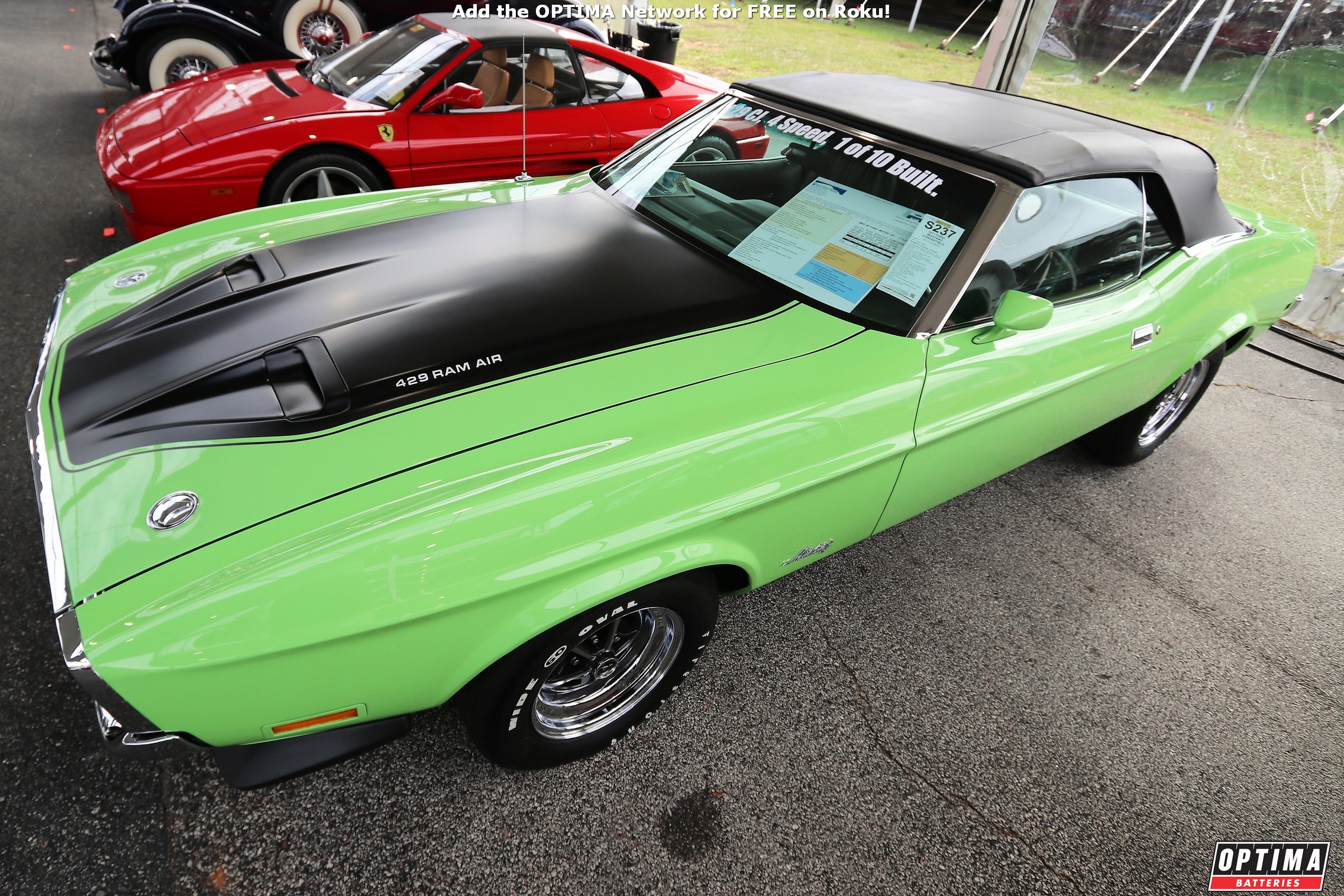
Ford has produced the Mustang since midway through the 1964 model year, introducing it as a, "1964 1/2" and with seven generations now on the road, we thought now would be a good time to run down all the different generations.
First Generation 1964-1973
.jpg?sfvrsn=6f418a7_1)
The first generation of Ford Mustang was produced from 1965 (technically 1964.5) through 1973. It was wildly popular from the start, selling more than a half million in each of the first two full years of production. What's interesting about the first generation is that the Mustang went through several significant redesigns during this span, but all of these Mustangs are still considered first generation, including this 1970 Shelby GT500 Mustang below.
.jpg?sfvrsn=4cc37a8b_1)
Second Generation 1974-1978
.jpg?sfvrsn=af04b9c1_1)
As much as the Ford Mustang changed in throughout the production of the first generation, the second generation Mustang was a very stark departure from the first generation. The introduction of this subcompact Pinto-based Mustang also coincided with the oil embargo of 1973, which led to fuel shortages. It was billed as an entirely new kind of pony car and while it had it's devotees, it was generally not the most highly regarded generation of Mustang.
Sales did pick up in the 1974 model year, but dropped off by half in the subsequent year and never really recovered to the heydey numbers of 1965-69.
Third Generation 1979-1993
.jpg?sfvrsn=4ecb372a_1)
While America was still in the midst of the Malaise era of automotive design, the Fox body era of Mustangs brought exciting new styling and saw an immediate boost in sales with nearly 370,000 Mustangs hitting the streets in the first year. Performance gains would follow with the arrival of the 5.0-liter engine for the 1982 model year and the first 200-horsepower engine in 1985.
.jpg?sfvrsn=fc9099ca_1) Fox body Mustangs were often lighter than their GM rivals and the notchbacks were a particular favorite for drag racers, while pop culture embraced the 5.0 era Mustangs.
Fox body Mustangs were often lighter than their GM rivals and the notchbacks were a particular favorite for drag racers, while pop culture embraced the 5.0 era Mustangs.
Fourth Generation 1994-2004
.jpg?sfvrsn=5bdd976d_1)
The 1994 Ford Mustang was code-named the "SN95" and represented the first major redesign in 15 years, but the notchback and hatchback designs from the Fox body era gave way to more traditional designs. While the body was a new design, the pushrod V8 from the Fox body carried over at least for the first few years. The overhead camshaft era began with the 1996 model year.
.jpg?sfvrsn=a95e00c9_1)
The SN95 did get an external refresh in 1999 and horsepower output continued to climb through the 2004 model year.
Fifth Generation 2005-2014
.jpg?sfvrsn=77ab4631_1)
The fifth generation Ford Mustang is widely referred to as the S197 era and featured V6 cars with more power output than some of the V8s in prior generations. The Shelby GT500 was launched in 2007 with a 5.4-liter V8 producing 500 horsepower, but later versions in this generation would produce more than 660 horsepower from a supercharged 5.8-liter V8. There were also special editions known as the Boss 302 and Laguna Seca that leaned into the Mustang's racing heritage.
Sixth Generation 2015-2023
.jpg?sfvrsn=8cab8b84_1)
The six generation Ford Mustangs are known as S550 cars. Just as the previous generation had V6s that produced more power than V8s in previous generations, the sixth generation Mustangs now had 2.3-liter turbocharged four cylinder engines producing more power (310 horsepower), than many of the V8s in previous generations. These powerful four cylinders allowed the sixth gen Mustangs to be sold into more high tariff markets like China, where importing V8s would be economically challenging.
.jpg?sfvrsn=f0440694_1)
The V6 engine would eventually get dropped with the Ecoboost four-cylinder engine becoming the new base model. A GT350 model came and went and in 2020, hand-built 5.2-liter Predator V8 engines produced 760 horsepower for the GT500s.
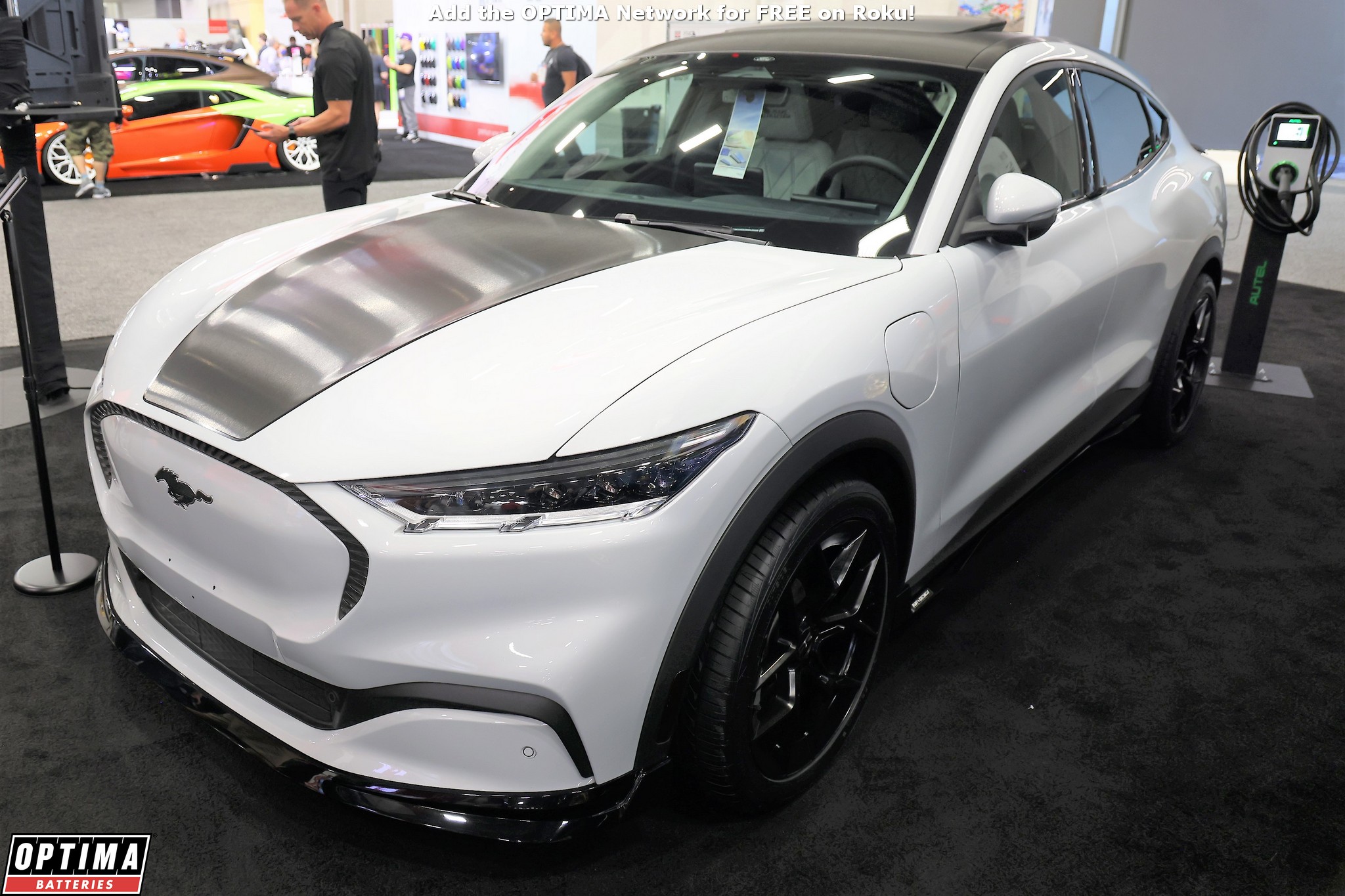
Ford also started selling a Mustang Mach E in the 2021 model year, although many do not consider this car to be part of the traditional Mustang lineage.
Seventh Generation 2024-.jpg?sfvrsn=4a7d96e4_1)
Special editions of the Ford Mustang continued to be offered into the seventh generation, including the Dark Horse variant. While OPTIMA has not offered battery upgrades for every model year Mustang, we do sell battery chargers and maintainers that do a great job of maximizing the lifespan and performance of any 12-volt battery used in a Ford Mustang.
First Generation 1964-1973
The first generation of Ford Mustang was produced from 1965 (technically 1964.5) through 1973. It was wildly popular from the start, selling more than a half million in each of the first two full years of production. What's interesting about the first generation is that the Mustang went through several significant redesigns during this span, but all of these Mustangs are still considered first generation, including this 1970 Shelby GT500 Mustang below.
Second Generation 1974-1978
As much as the Ford Mustang changed in throughout the production of the first generation, the second generation Mustang was a very stark departure from the first generation. The introduction of this subcompact Pinto-based Mustang also coincided with the oil embargo of 1973, which led to fuel shortages. It was billed as an entirely new kind of pony car and while it had it's devotees, it was generally not the most highly regarded generation of Mustang.
Sales did pick up in the 1974 model year, but dropped off by half in the subsequent year and never really recovered to the heydey numbers of 1965-69.
Third Generation 1979-1993
While America was still in the midst of the Malaise era of automotive design, the Fox body era of Mustangs brought exciting new styling and saw an immediate boost in sales with nearly 370,000 Mustangs hitting the streets in the first year. Performance gains would follow with the arrival of the 5.0-liter engine for the 1982 model year and the first 200-horsepower engine in 1985.
Fox body Mustangs were often lighter than their GM rivals and the notchbacks were a particular favorite for drag racers, while pop culture embraced the 5.0 era Mustangs. Fourth Generation 1994-2004
The 1994 Ford Mustang was code-named the "SN95" and represented the first major redesign in 15 years, but the notchback and hatchback designs from the Fox body era gave way to more traditional designs. While the body was a new design, the pushrod V8 from the Fox body carried over at least for the first few years. The overhead camshaft era began with the 1996 model year.
The SN95 did get an external refresh in 1999 and horsepower output continued to climb through the 2004 model year.
Fifth Generation 2005-2014
The fifth generation Ford Mustang is widely referred to as the S197 era and featured V6 cars with more power output than some of the V8s in prior generations. The Shelby GT500 was launched in 2007 with a 5.4-liter V8 producing 500 horsepower, but later versions in this generation would produce more than 660 horsepower from a supercharged 5.8-liter V8. There were also special editions known as the Boss 302 and Laguna Seca that leaned into the Mustang's racing heritage.
Sixth Generation 2015-2023
The six generation Ford Mustangs are known as S550 cars. Just as the previous generation had V6s that produced more power than V8s in previous generations, the sixth generation Mustangs now had 2.3-liter turbocharged four cylinder engines producing more power (310 horsepower), than many of the V8s in previous generations. These powerful four cylinders allowed the sixth gen Mustangs to be sold into more high tariff markets like China, where importing V8s would be economically challenging.
The V6 engine would eventually get dropped with the Ecoboost four-cylinder engine becoming the new base model. A GT350 model came and went and in 2020, hand-built 5.2-liter Predator V8 engines produced 760 horsepower for the GT500s.
Ford also started selling a Mustang Mach E in the 2021 model year, although many do not consider this car to be part of the traditional Mustang lineage.
Seventh Generation 2024-
Special editions of the Ford Mustang continued to be offered into the seventh generation, including the Dark Horse variant. While OPTIMA has not offered battery upgrades for every model year Mustang, we do sell battery chargers and maintainers that do a great job of maximizing the lifespan and performance of any 12-volt battery used in a Ford Mustang.