Why Won't My Car Start?
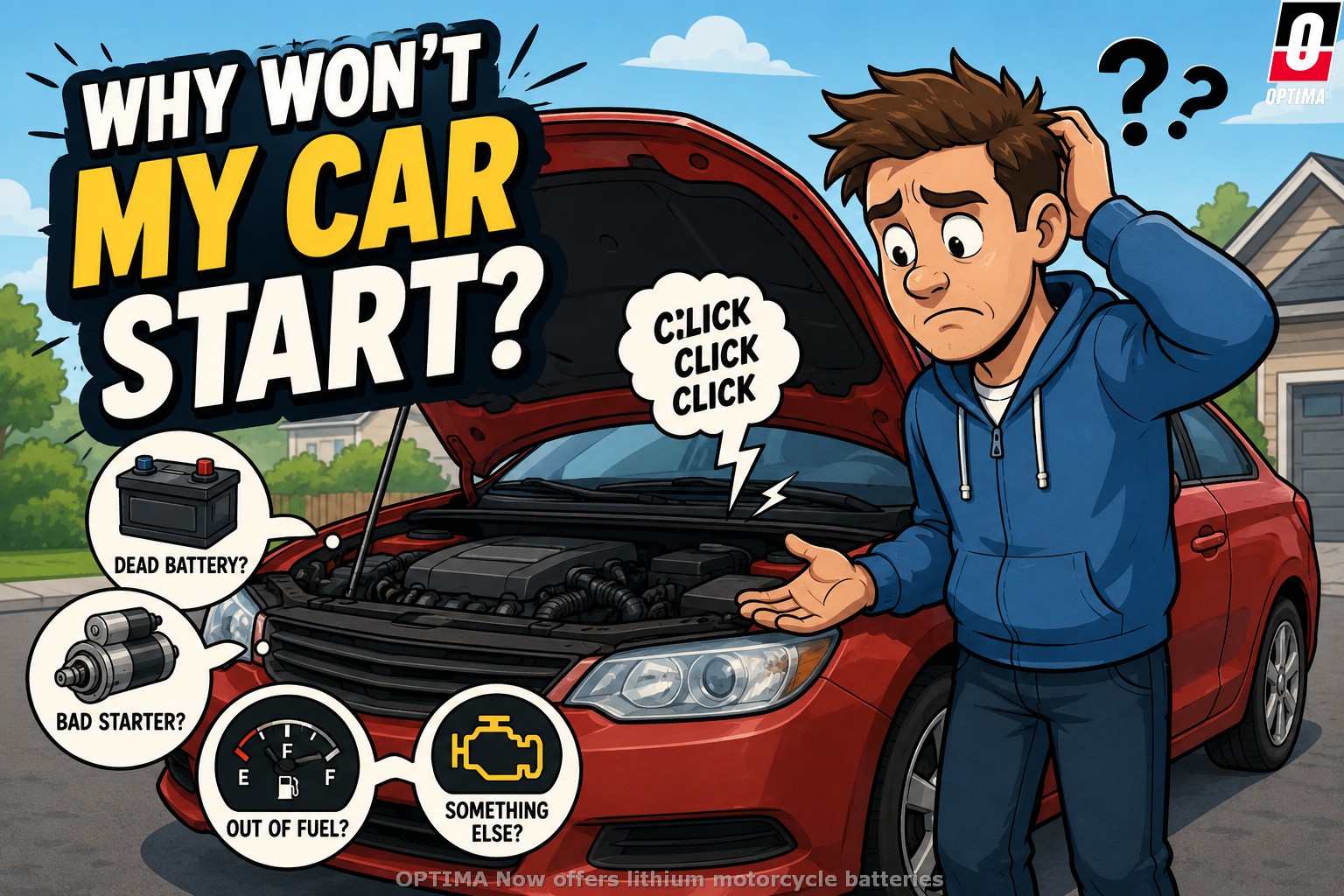
You've come out to your car and either turned the key or pressed the start button and nothing happens...or maybe you hear some clicking, but your car is definitely not starting. If you don't know a lot about cars, trying to figure out why your car won't start can be intimidating, but we can offer some insight that might be able to help you narrow down the source of your issue.
Battery Troubleshooting
The sound your car makes when you try to start it is your best first clue. If you hear a rapid clicking noise or your engine sounds like it's trying to start, but sounds like it's struggling and cranking slowly, your battery could be deeply discharged. The same could be true if your car doesn't make any noise at all, but that could also be related to other issues.
Your car battery voltage should measure at least 12.6 volts. If your vehicle can start with the help of a jump pack or jumper cables connected to another vehicle, that would suggest your battery is having issues. It may not need to be replaced, but it at least needs to be fully recharged. If you call a service like AAA, ask the technician to measure battery voltage before they try to start your car. If the voltage is below 12.0 volts, your battery is either deeply discharged or bad and needs to be replaced.
If the roadside service technician can measure battery voltage once the engine starts, the voltage should be in the range of approximately 13.7 to 14.7 volts. That is the output of the vehicle's charging system at the battery. If the voltage is well below that level, there could be an issue with your vehicle's charging system. That system is supposed to replace the energy the battery uses during engine starting, but if it's not working properly, it won't provide electricity your vehicle needs while running and it won't replace the energy the battery used to start your engine. When that happens, your vehicle takes as much energy from your battery as it can to keep running, until your car battery has no more energy to give.
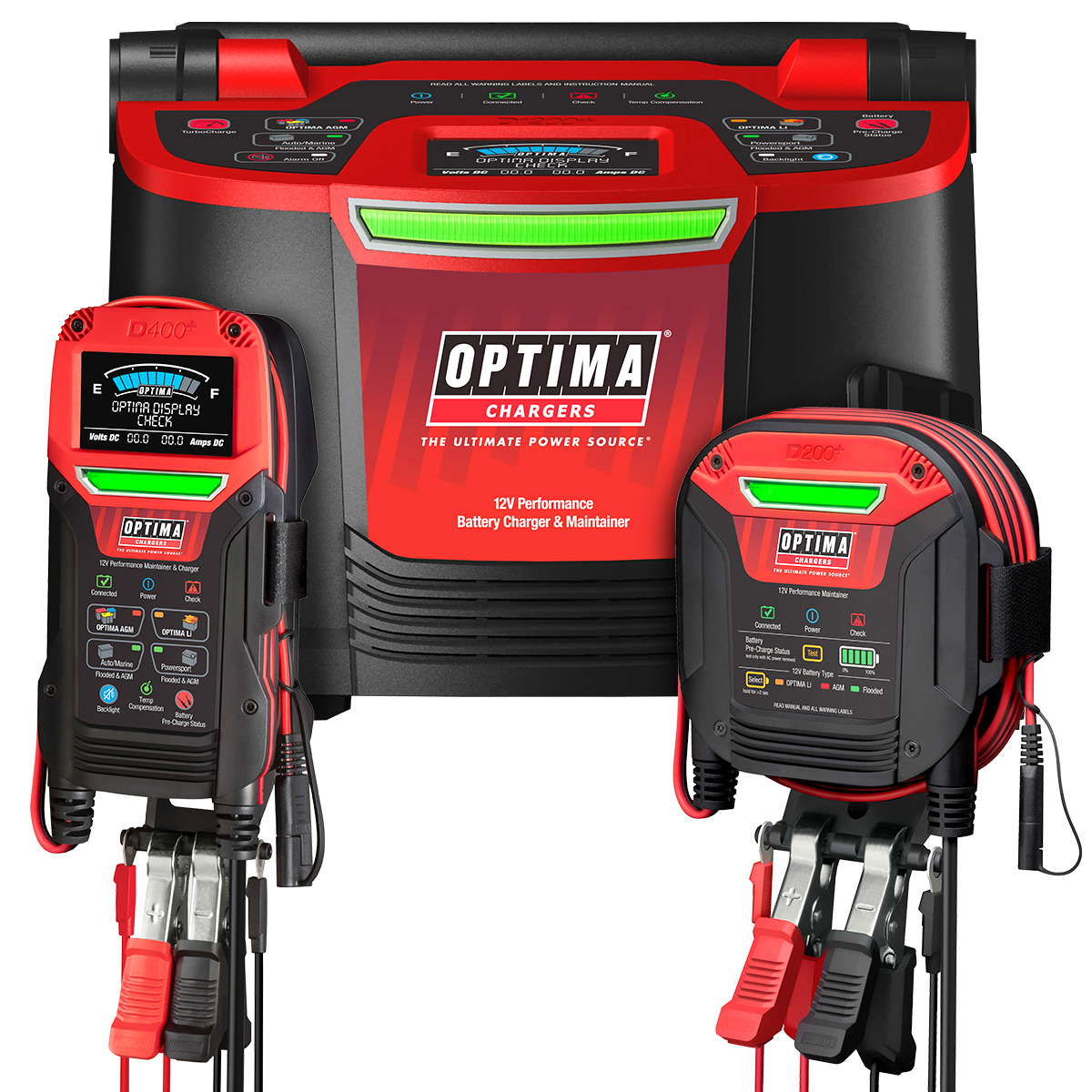
If you get your vehicle running from a jump-start or jump pack, you still need to fully recharge your car battery with a battery charger and you need to do it as soon as possible. If you ran out of gas and put a gallon in your tank to get running again, you'd be looking for a gas station quickly, right? You should take the same approach with your battery and find a battery charger as soon as possible. Your vehicle's charging system is designed to MAINTAIN a battery near a full state of charge, not RECOVER a deeply discharged battery.
Asking a vehicle charging system to recover a deeply discharged car battery can lead to a cycle of dead batteries and jump starts until either the battery needs to be replaced (expensive) or the charging system needs to be replaced (even more expensive). Keep in mind that charging your car battery with a battery charger could take a while. If you have a 50Ah battery and your battery charger is charging at 10 amps, it could take more than five hours to fully recharge your battery. If the battery charger is charging at 5 amps, it could take more than ten hours to fully recharge your battery!
Starter Troubleshooting
Maybe you hear one solid click when you try to start your engine, but the engine doesn't crank or turn over? The starter solenoid could be engaging, but the starter motor itself isn't turning. If a jump start doesn't get you started, you could have an issue with your starter. If you knew where your starter was located on your vehicle, you could try tapping it with a hammer. Worn starters may work intermittently and if that's the case for you, you'll want to get your vehicle to a mechanic to look at your starter as soon as possible.
Transmission Troubleshooting
If you think your transmission could be the source of your problems, there are a few things you can check right away, starting with making sure your transmission is in "Park." If your transmission is in "Drive" your engine may not start. You can try shifting your transmission into "Neutral" or "N" and trying to start the car with your foot on the brake, to keep the vehicle from rolling. If it starts in Neutral, but won't start in Park, you could have an issue with your transmission, possibly with a shift cable or linkage that may be out of adjustment or a sensor issue with something like a neutral safety switch.
Fuel Troubleshooting
If your engine cranks, but just won't turn over and start, your battery is probably fine, but your engine may not be getting fuel. It may seem overly simplistic to ask, but are you sure you have gas in the tank? Are you parked on a steep incline, where your fuel pump may not be able to pump gas into your engine? If you know you haven't run out of gas, there could be a fuel pump problem that is causing your issue. If you have an EV, are you sure you have a charge in the battery powering your car?
Key/Key Fob Troubleshooting
Newer cars have sophisticated anti-theft systems that may be preventing you from starting your engine. Your vehicle may not just need a key that fits the ignition or one that is present in the vehicle, it may need to electronically recognize the key (or the key fob). Are any of the following messages appearing on your dashboard?
"KEY NOT DETECTED"
"NO KEY FOUND"
"KEY FOB BATTERY LOW"
"SECURITY"
If you have another key or fob for your vehicle, you may want to try using that one to start the car. If it starts with one fob or key, but not the other, you could either have a defective fob or a key fob battery (not the big battery in your car) that needs to be replaced.
Safety First!
If you are calling for roadside assistance, do your best to make sure you can describe where you are located. A street address is an easy identifier, but if you are on the side of a highway, you may want to provide a mile marker, nearest crossroad or nearest exit as a point of reference. If your vehicle is stopped in an active traffic lane, you should attempt to turn on your hazard lights to warn other motorists, but you shouldn't wait with your vehicle in an active traffic lane.
You should walk behind your vehicle to a safe area on the shoulder, where you can signal motorists behind your vehicle that it is stopped in an active traffic lane.
Battery Troubleshooting
The sound your car makes when you try to start it is your best first clue. If you hear a rapid clicking noise or your engine sounds like it's trying to start, but sounds like it's struggling and cranking slowly, your battery could be deeply discharged. The same could be true if your car doesn't make any noise at all, but that could also be related to other issues.
Your car battery voltage should measure at least 12.6 volts. If your vehicle can start with the help of a jump pack or jumper cables connected to another vehicle, that would suggest your battery is having issues. It may not need to be replaced, but it at least needs to be fully recharged. If you call a service like AAA, ask the technician to measure battery voltage before they try to start your car. If the voltage is below 12.0 volts, your battery is either deeply discharged or bad and needs to be replaced.
If the roadside service technician can measure battery voltage once the engine starts, the voltage should be in the range of approximately 13.7 to 14.7 volts. That is the output of the vehicle's charging system at the battery. If the voltage is well below that level, there could be an issue with your vehicle's charging system. That system is supposed to replace the energy the battery uses during engine starting, but if it's not working properly, it won't provide electricity your vehicle needs while running and it won't replace the energy the battery used to start your engine. When that happens, your vehicle takes as much energy from your battery as it can to keep running, until your car battery has no more energy to give.
If you get your vehicle running from a jump-start or jump pack, you still need to fully recharge your car battery with a battery charger and you need to do it as soon as possible. If you ran out of gas and put a gallon in your tank to get running again, you'd be looking for a gas station quickly, right? You should take the same approach with your battery and find a battery charger as soon as possible. Your vehicle's charging system is designed to MAINTAIN a battery near a full state of charge, not RECOVER a deeply discharged battery.
Asking a vehicle charging system to recover a deeply discharged car battery can lead to a cycle of dead batteries and jump starts until either the battery needs to be replaced (expensive) or the charging system needs to be replaced (even more expensive). Keep in mind that charging your car battery with a battery charger could take a while. If you have a 50Ah battery and your battery charger is charging at 10 amps, it could take more than five hours to fully recharge your battery. If the battery charger is charging at 5 amps, it could take more than ten hours to fully recharge your battery!
Starter Troubleshooting
Maybe you hear one solid click when you try to start your engine, but the engine doesn't crank or turn over? The starter solenoid could be engaging, but the starter motor itself isn't turning. If a jump start doesn't get you started, you could have an issue with your starter. If you knew where your starter was located on your vehicle, you could try tapping it with a hammer. Worn starters may work intermittently and if that's the case for you, you'll want to get your vehicle to a mechanic to look at your starter as soon as possible.
Transmission Troubleshooting
If you think your transmission could be the source of your problems, there are a few things you can check right away, starting with making sure your transmission is in "Park." If your transmission is in "Drive" your engine may not start. You can try shifting your transmission into "Neutral" or "N" and trying to start the car with your foot on the brake, to keep the vehicle from rolling. If it starts in Neutral, but won't start in Park, you could have an issue with your transmission, possibly with a shift cable or linkage that may be out of adjustment or a sensor issue with something like a neutral safety switch.
Fuel Troubleshooting
If your engine cranks, but just won't turn over and start, your battery is probably fine, but your engine may not be getting fuel. It may seem overly simplistic to ask, but are you sure you have gas in the tank? Are you parked on a steep incline, where your fuel pump may not be able to pump gas into your engine? If you know you haven't run out of gas, there could be a fuel pump problem that is causing your issue. If you have an EV, are you sure you have a charge in the battery powering your car?
Key/Key Fob Troubleshooting
Newer cars have sophisticated anti-theft systems that may be preventing you from starting your engine. Your vehicle may not just need a key that fits the ignition or one that is present in the vehicle, it may need to electronically recognize the key (or the key fob). Are any of the following messages appearing on your dashboard?
"KEY NOT DETECTED"
"NO KEY FOUND"
"KEY FOB BATTERY LOW"
"SECURITY"
If you have another key or fob for your vehicle, you may want to try using that one to start the car. If it starts with one fob or key, but not the other, you could either have a defective fob or a key fob battery (not the big battery in your car) that needs to be replaced.
Safety First!
If you are calling for roadside assistance, do your best to make sure you can describe where you are located. A street address is an easy identifier, but if you are on the side of a highway, you may want to provide a mile marker, nearest crossroad or nearest exit as a point of reference. If your vehicle is stopped in an active traffic lane, you should attempt to turn on your hazard lights to warn other motorists, but you shouldn't wait with your vehicle in an active traffic lane.
You should walk behind your vehicle to a safe area on the shoulder, where you can signal motorists behind your vehicle that it is stopped in an active traffic lane.